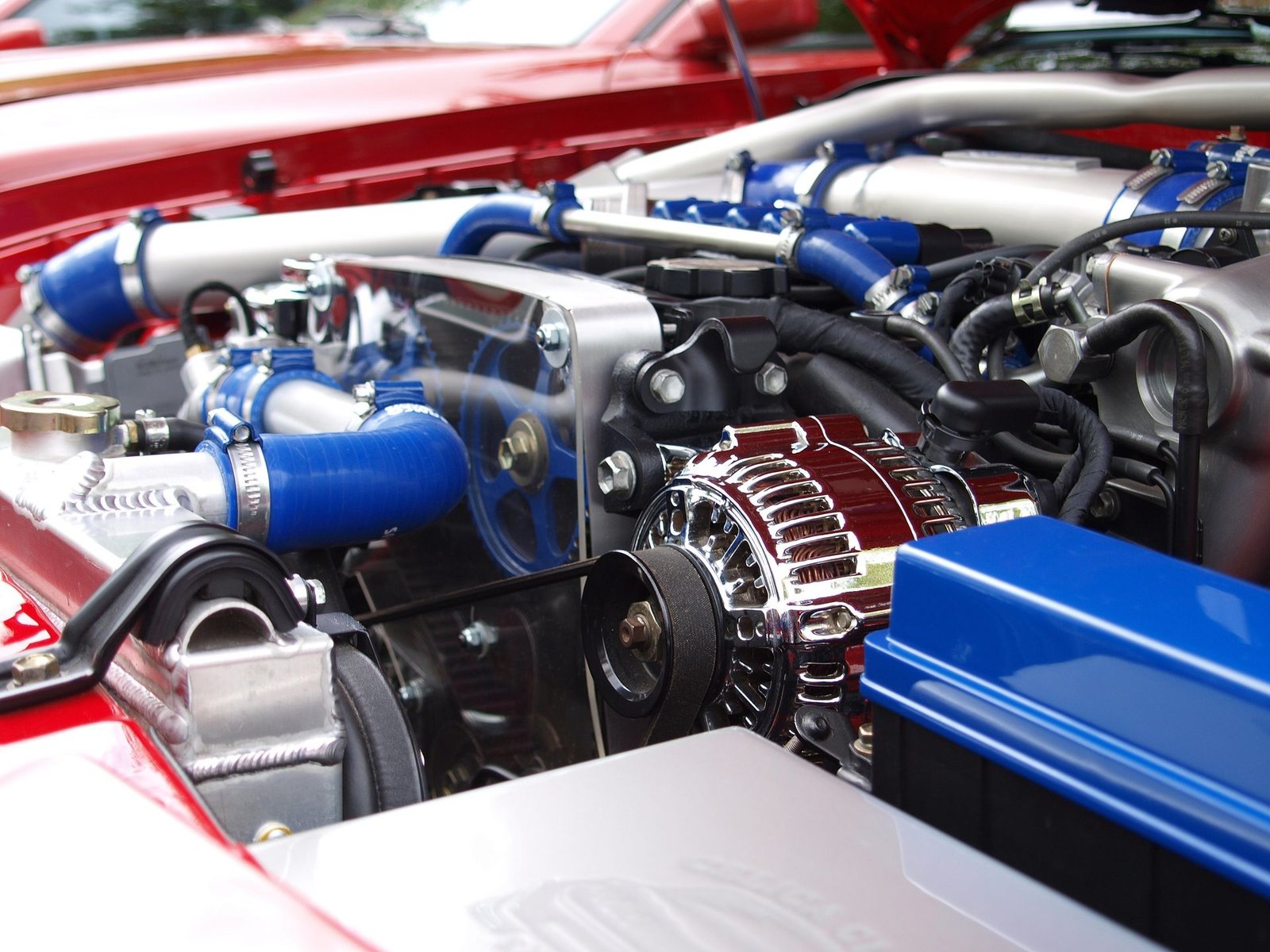
An alternator failure is one of the few repairs that can leave you stranded in under an hour. Unlike a worn brake pad that gives you weeks of warning, a dead alternator drains your battery in real time — and once it's gone, the car simply stops.
Here's what an alternator replacement actually costs in the US in 2026, why two identical vehicles can produce wildly different bills, and how to avoid overpaying for a job that's often simpler than shops make it sound.
How Much Does an Alternator Replacement Cost in the US?
An alternator replacement in the US costs $600 to $1,500 in 2026, with the average driver paying $780 at an independent repair shop. Parts range from $100 to $400 for a remanufactured unit, while labor accounts for $200 to $500 depending on engine accessibility.
The spread comes down to two things: the price of the alternator itself and how hard it is to reach inside your engine bay. Unlike some repairs where the part is cheap and labor dominates, alternator replacement is roughly a 50/50 split. A midsize sedan might use a $300 remanufactured unit and $300 in labor. A luxury SUV with a buried alternator can hit $700 for the part and $400 for labor.
Alternator Replacement Cost by Vehicle Type
The biggest variable in your final bill is how accessible the alternator is inside the engine bay. Here's the realistic 2026 pricing across vehicle categories:
| Vehicle Type | Parts (Reman) | Labor | Total Range |
|---|---|---|---|
| Compact / Economy Car | $180 – $250 | $210 – $270 | $390 – $520 |
| Midsize Sedan / Small Crossover | $200 – $300 | $210 – $280 | $410 – $580 |
| V6 Sedan / Minivan / Midsize SUV | $250 – $400 | $350 – $440 | $600 – $840 |
| Full-Size Pickup / SUV (V8) | $220 – $350 | $210 – $280 | $430 – $630 |
| Luxury / European | $350 – $700 | $350 – $500 | $700 – $1,200+ |
Estimates include parts and labor at an independent US shop. Dealer prices typically run 10–30% higher for the same job.
Popular Vehicle Model Cost Estimates (2026)
Model-specific pricing is a better predictor than vehicle category because engine layout and alternator placement vary widely even within the same class. Here's what US drivers pay on some of the most common vehicles:
| Make & Model | Avg. Parts | Avg. Labor | Total Estimate |
|---|---|---|---|
| Toyota Camry (2.5L I4) | $190 – $270 | $180 – $240 | $370 – $510 |
| Honda Civic (1.5L / 2.0L) | $180 – $260 | $180 – $240 | $360 – $500 |
| Ford F-150 (3.5L EcoBoost) | $260 – $380 | $280 – $380 | $540 – $760 |
| Honda Odyssey (3.5L V6) | $280 – $410 | $320 – $450 | $600 – $860 |
| BMW 330i (2.0L Turbo) | $420 – $680 | $380 – $520 | $800 – $1,200 |
BMW and other European models often require a diagnostic scan and BMS reset after the repair — see the section below.
New vs. Remanufactured vs. Used Alternators
The alternator you choose changes your bill by hundreds of dollars. Here's how the four options compare for a typical US vehicle:
| Option | Part Cost | Warranty | Best For |
|---|---|---|---|
| Used (OEM) | $40 – $200 | 30-day minimum | Budget builds, older vehicles |
| Remanufactured | $100 – $350 | 1 year – limited lifetime | Most US daily drivers |
| New Aftermarket | $130 – $450+ | 3 – 5 years | Long-term ownership |
| New OEM | $400 – $900+ | 1 – 2 years (dealer) | Luxury, warranty-sensitive vehicles |
A core charge applies to most remanufactured and new alternators. This is a refundable deposit — typically $50–$150 — added to your bill at the time of purchase. You get it back when you return the old alternator. Some shops handle this automatically; others expect you to bring the old unit back yourself.
Alternator Labor Cost: Why Quotes Vary So Much
Labor is calculated as book hours × shop rate. Book hours come from industry labor guides that estimate how long the job should take on your specific vehicle. Shop rates vary by region and whether you use an independent or dealer.
| Access Level | Book Hours | Labor @ $140/hr | Typical US Vehicles |
|---|---|---|---|
| Easy — top of engine | 1.0 hr | $140 | Many V8 pickups, older RWD cars |
| Average — intake tube in the way | 1.5 hr | $210 | Most transverse 4-cylinders |
| Hard — low-mounted, splash shield | 2.5 hr | $350 | Nissan V6 sedans, many European cars |
| Buried — under intake manifold | 3.5+ hr | $490+ | Some Ford 3.5 V6 SUVs, specific luxury models |
Shop rates in 2026: About half of US repair shops charge $120–$159 per hour. Dealerships typically run 25% higher. The national average across 10,000+ shops is $132 per hour.
Signs Your Alternator Is Failing (Confirm Before You Pay)
Replacing an alternator you didn't need to replace is an expensive mistake. Confirm the diagnosis before authorizing the work.
- Battery warning light. The most common sign. If the light comes on while driving, the alternator has stopped charging.
- Dimming headlights. Lights that brighten when you rev the engine and dim at idle point to a weak alternator.
- Slow or no crank. A dead battery can mimic a bad alternator. Test the battery first — a weak battery is cheaper to replace.
- Burning smell or grinding noise. Internal bearings or the belt can fail, producing noise from the alternator area.
- Electrical accessories acting up. Power windows, radio, and dashboard lights flickering or resetting.
⚠️ BMS Reset: The Step Most Shops Forget on Modern Vehicles
On most vehicles built after 2015 — and on virtually all European models — the alternator is monitored by a Battery Management System (BMS). The BMS tracks voltage output and adjusts the charging curve based on the age and condition of the battery and alternator. When either component is replaced, the BMS needs to be told so it can reset its baseline.
- The new alternator may be overworked or undercharged
- Premature failure of the new part (sometimes in months)
- "Check Charging System" warning light that won't clear
- On BMW, Mercedes, and Audi — a persistent fault code that fails state inspection
US vehicles that commonly require a BMS reset:
| Brand | Common Years Affected | Reset Required? |
|---|---|---|
| BMW | 2007+ | Yes — required |
| Mercedes-Benz | 2010+ | Yes — required |
| Audi | 2010+ | Yes — required |
| Ford (with start-stop) | 2018+ | Yes — recommended |
| Chevrolet / GMC (with start-stop) | 2019+ | Yes — recommended |
| Toyota / Lexus (hybrids, select models) | 2020+ | Varies by model |
Cost to reset: $20–$50 at an independent US shop, or free if you own an OBD2 scanner with the right software (varies by brand). Some shops include the reset in the alternator replacement labor — ask before you authorize the work.
For a deeper look at BMS behavior and modern battery types, read our AGM vs. Lead-Acid battery guide.
DIY vs. Shop: Is Alternator Replacement Worth Doing Yourself?
The answer depends entirely on how accessible the alternator is in your vehicle. Here's the honest comparison:
🛠️ DIY Replacement
$180 – $450
- ✅ Saves $150–$300 in shop labor
- ✅ Takes 1–3 hours depending on access
- ✅ Basic tools — socket set, belt tool, multimeter
- ⚠️ Risk of broken bolts on rusted brackets
- ⚠️ You handle core return and warranty yourself
🔧 US Shop Installation
$390 – $1,200+
- ✅ Same-day turnaround for most vehicles
- ✅ Warranty on both part and labor
- ✅ Disposal of old alternator handled
- ✅ Diagnosed properly before repair
- ⚠️ Labor charge is significant on buried units
Most confident DIYers finish an alternator replacement in 1–2 hours and save $200–$400 in labor. The job itself is straightforward: disconnect the battery, remove the serpentine belt, unbolt the old alternator, disconnect the wiring, and reverse the process with the new unit.
The catch is access. If your vehicle requires removing the intake manifold, cooling fan, or splash shields, the job becomes a full afternoon of work with a real risk of broken bolts or damaged connectors. For those engines, the shop labor charge is money well spent.
How to Save $200–$400 on Alternator Replacement (US)
- Get 2–3 quotes. Independent US shops often beat dealer prices by 10–30% for the same job.
- Choose remanufactured over new OEM. A quality reman unit saves $200–$300 without a meaningful reliability penalty for most drivers.
- Ask about the core charge upfront. Some shops forget to mention it, then add it at checkout. Confirm the deposit amount before authorizing the work.
- Replace the serpentine belt while you're in there. The belt must come off anyway. A new belt costs $30–$80 and saves you labor later.
- Supply your own part only if you trust the source. Some shops will install customer-supplied parts at a reduced labor rate, but they usually won't warranty the part.
- Check warranty coverage. A bumper-to-bumper or extended warranty may cover the alternator. It's worth a phone call before you pay out of pocket.
The Bottom Line
For most US drivers, a complete alternator replacement runs $700–$850 at an independent shop using a remanufactured part. That covers a $200–$350 unit and 1.5–2 hours of labor. Budget $1,200+ if you drive a BMW, Mercedes, or Audi — those vehicles use more expensive OEM units and tighter engine bays, and often require a BMS reset after installation.
If you're mechanically inclined and your alternator is easy to reach, doing the job yourself saves $200–$400. If it's buried behind the intake manifold or cooling fan, pay a shop — the labor charge is money well spent on those engines.
Not sure your alternator is actually the problem? Test it first — a weak battery or corroded cables can mimic the exact symptoms of a failed alternator. Our multimeter testing guide walks you through it in 10 minutes and could save you $700 before you authorize any work.
Frequently Asked Questions (US)
How much does it cost to replace an alternator in 2026?
Most US drivers pay between $600 and $1,500 for a complete alternator replacement in 2026. The national average for a common vehicle with a remanufactured part is roughly $700 to $850. Luxury and European vehicles can exceed $1,500 due to pricier OEM parts and tighter engine bay access.
Is it cheaper to rebuild or replace an alternator?
Replacement is almost always the better value. A professional rebuild of your existing unit runs $150–$400 in labor plus $28–$60 for a rebuild kit, and takes time. A remanufactured replacement unit costs $100–$350 and installs in 1–3 hours. Rebuilding only makes sense if the alternator is rare or the vehicle is a collector car.
How long does it take to replace an alternator?
Most US shops bill 1 to 3 hours of labor. On vehicles where the alternator sits on top of the engine and is easy to reach, the job can be done in about 1 hour. On transverse V6 engines, luxury cars, and vehicles where the alternator is buried behind the intake manifold or cooling fan, expect 2.5 to 3.5 hours.
Can I drive with a bad alternator?
You can drive a short distance on battery power alone, but not far. Once the alternator stops charging, the car runs entirely off the battery. Depending on the battery's charge and your electrical load, you may get 20 to 60 minutes of driving before the engine dies. Driving with a failed alternator can also damage the battery and the car's computer, turning an $800 repair into a $2,000 problem.
What is the difference between remanufactured and rebuilt alternators?
Remanufactured means the alternator is completely disassembled, cleaned, and tested, with all worn components replaced with new ones. Rebuilt is a lighter process where only visibly damaged parts are replaced. Remanufactured units are generally more reliable and are what most US shops and parts stores sell. Rebuilt units are cheaper but less predictable.
Do I need to replace the serpentine belt when replacing an alternator?
It is not required, but it is smart. The serpentine belt must come off to access the alternator anyway. If the belt is showing cracks, glazing, or has more than 60,000 miles on it, replacing it now saves you the labor charge of doing it separately later. A new belt costs $30–$80 for most US vehicles.